by Sallie Support Team | Jun 24, 2025 | Vision Professionals
A certified teacher of students who are blind or visually impaired helps them build academic and life skills. They adapt lessons using tools like Braille and assistive tech, and tailor instruction to individual needs. These teachers work closely with families and educators to create inclusive learning. They also promote independence and self-advocacy, helping students grow in confidence.
by Sallie Support Team | Jun 24, 2025 | Vision Professionals
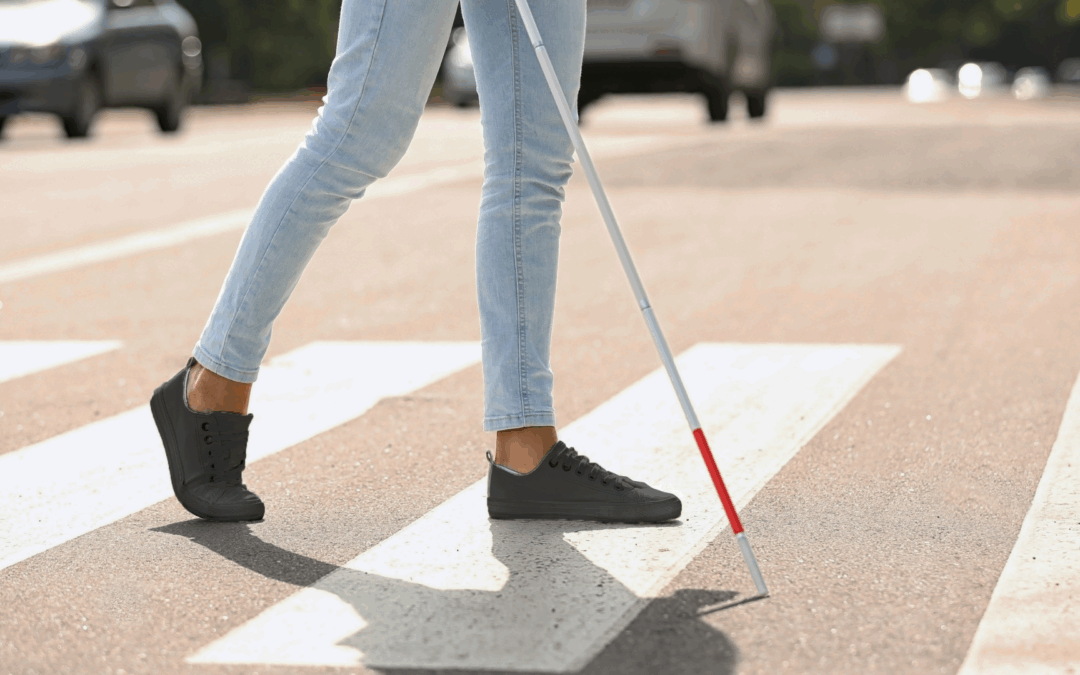
A certified orientation and mobility specialist teaches individuals who are blind or visually impaired to travel independently. They assess needs and develop personalized plans using tools like the white cane, route planning, and public transit skills. Specialists promote accessibility and empower clients to navigate safely and confidently in daily environments.
by Sallie Support Team | Jun 24, 2025 | Vision Professionals
A certified vision rehabilitation therapist helps people with visual impairments maintain independence. They assess needs and create training plans that use remaining vision and assistive tech. Therapists teach daily living skills like cooking and personal care, and offer emotional support—empowering clients to live fulfilling lives despite vision loss.
by Sallie Support Team | Jun 24, 2025 | Vision Professionals
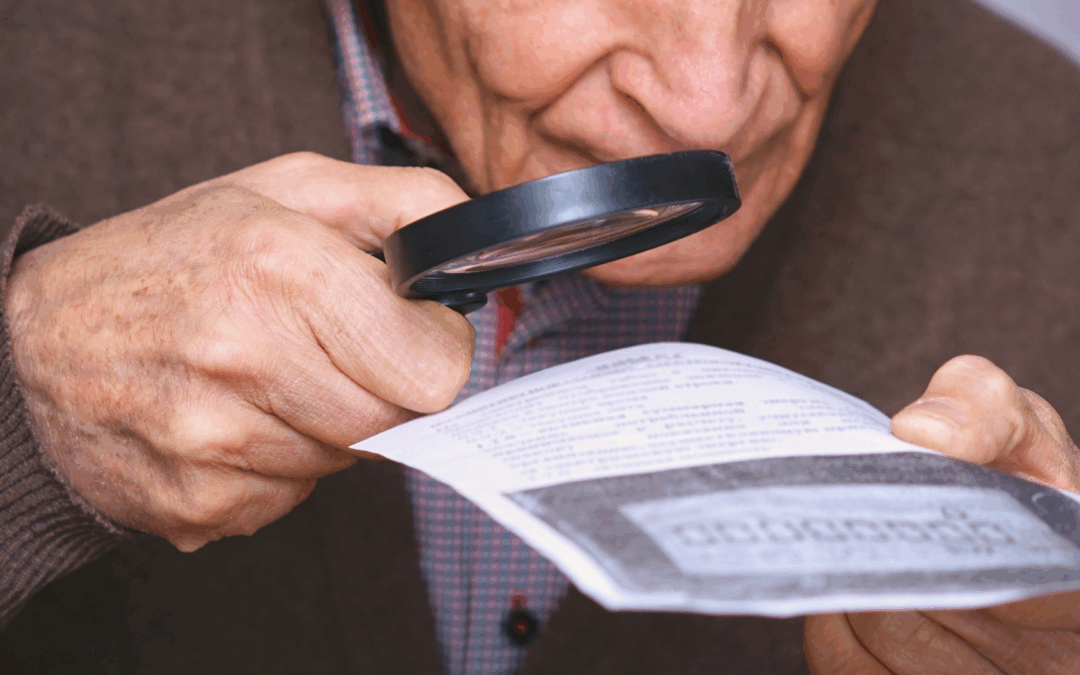
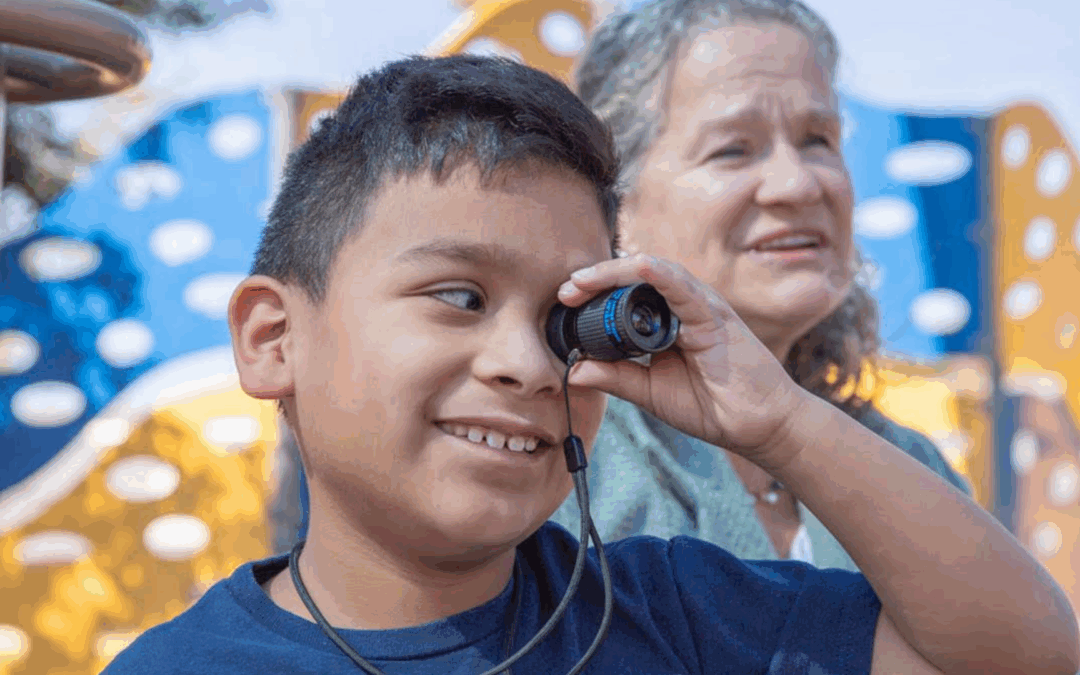
A certified low vision therapist assesses the usable vision of a client to determine how best to use the residual vision in their daily lives. They instruct in the use of low vision devices such as handheld illuminated magnifiers, magnification systems, screen readers and accessibility features on assistive technology.

by Sallie Support Team | Jun 26, 2025 | Vision Professionals
A certified assistive technology instructional specialist helps individuals with visual impairments gain independence using specialized tools. They assess needs, recommend devices like screen readers or braille displays, and provide training. They also work with educators and families to support clients at home, school, and work through tailored technology solutions.

by Sallie Support Team | Jun 26, 2025 | Vision Professionals
A certified rehabilitation counselor for the blind and visually impaired helps individuals reach vocational goals. They assess clients’ needs, develop personalized plans, and provide counseling to build coping skills. Counselors also connect clients with resources such as orientation and mobility training, assistive technology, and job placement support to promote independence and success.