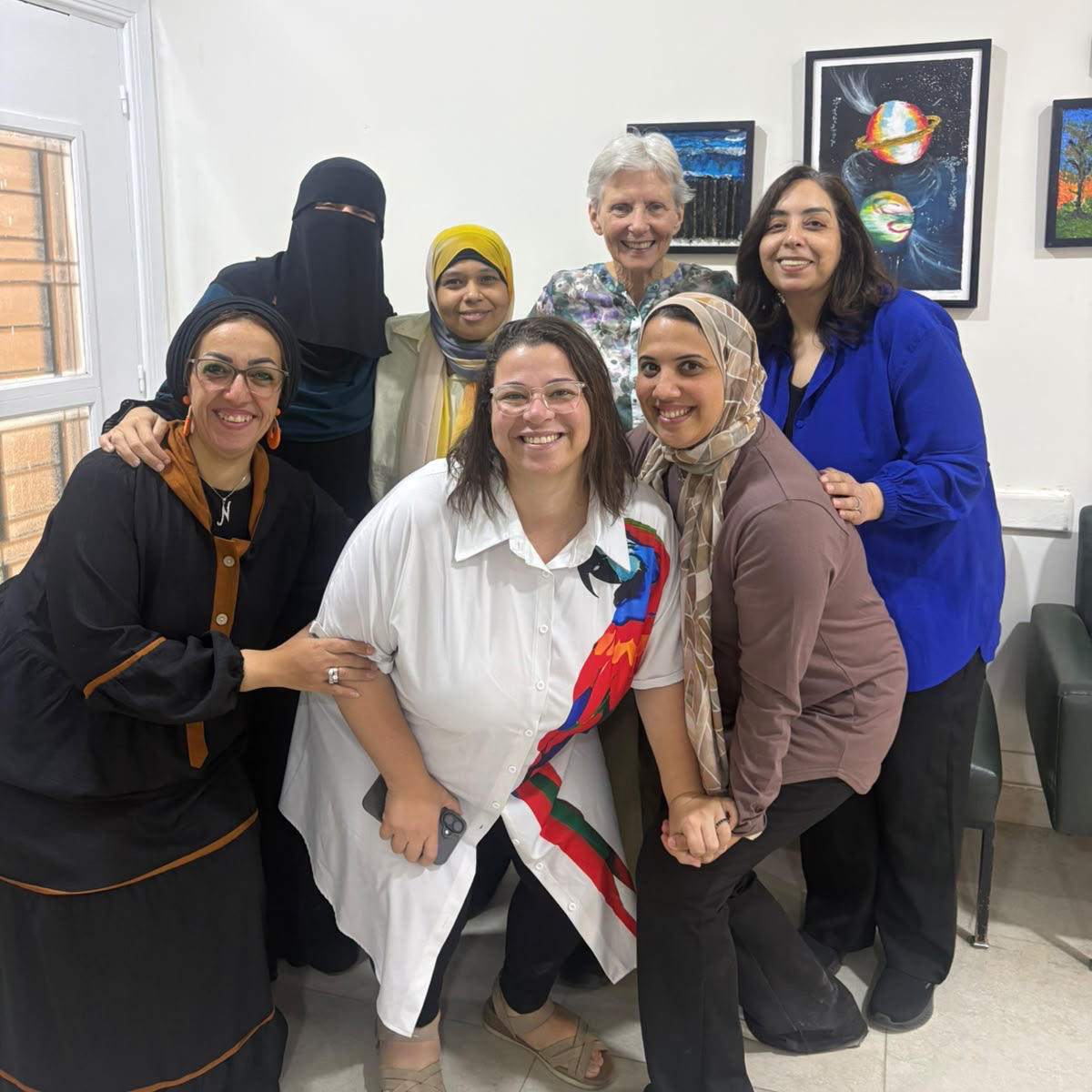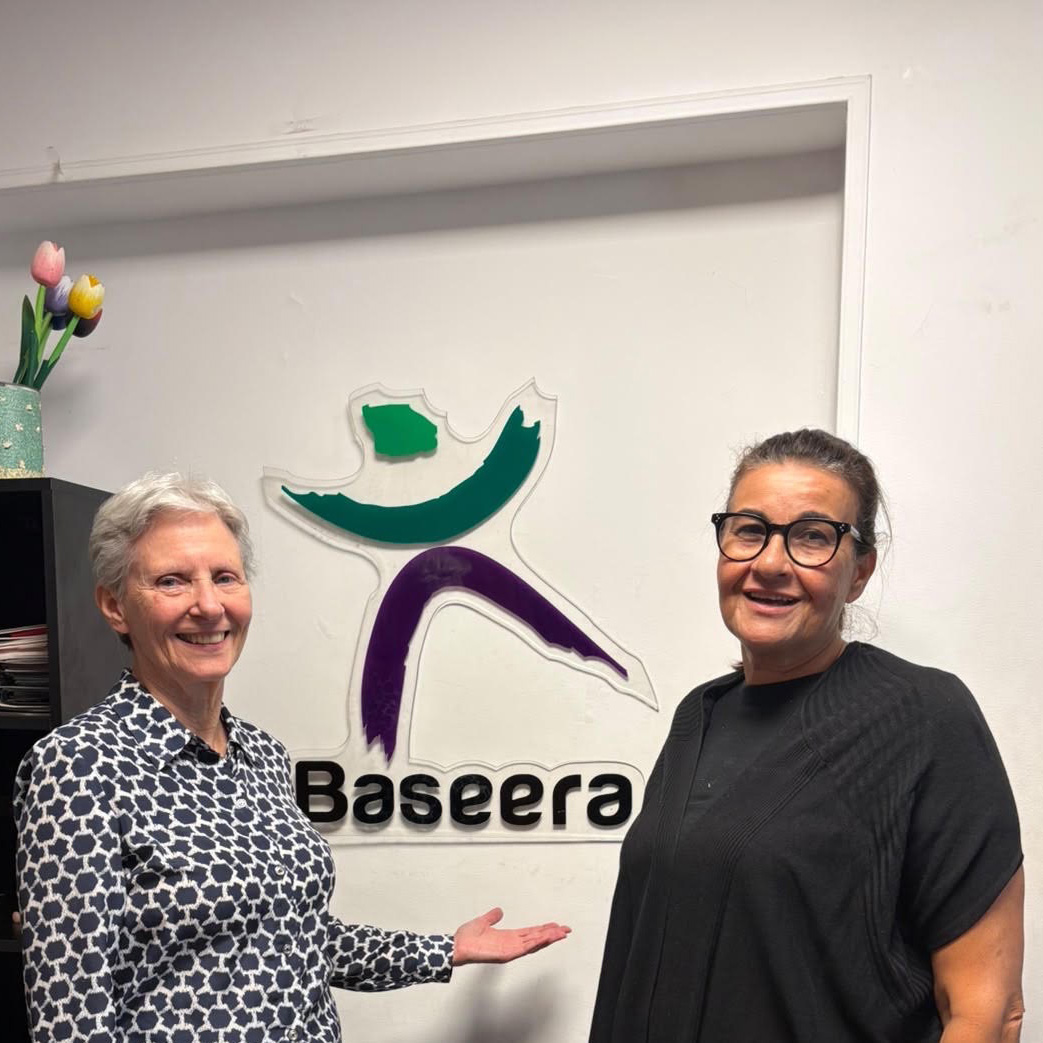
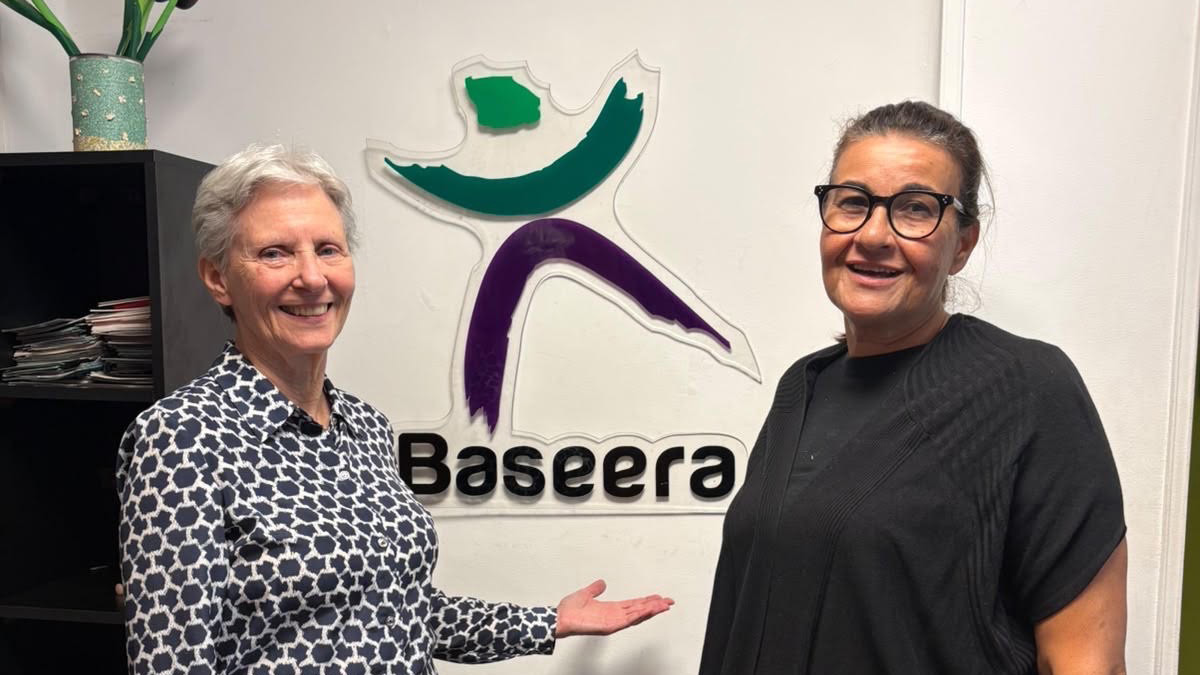
Two women, Elly and Doaa, standing in front of an office sign for Baseera.
Lessons from Egypt
BY ELLY DU PRE
In September, 2026, the Baseera Foundation for People with Visual Impairment in Cairo, Egypt hosted a visit for me in my role as AER Accreditation manager.
To prepare for this trip, I went beyond guidebooks, dress codes for women, and e-sim cards and tried to learn something about the ancient and present history and role of Egypt in the world. I also stumbled upon one of the most powerful autobiographies by a blind man I ever have read. The Dean of Arab Literature, the man for whom the Library for the Blind in Alexandria is named, was Taha Hussein (1889 – 1973). Born in a poor village he went on to earn two PhDs. As Minister of Education 1950 – 1952, he abolished all tuition for public and high schools and created graduate schools for medicine and agriculture. He also was nominated for the Nobel Prize in Literature 21 times. Read his masterpiece, The Days, and expect to be moved. I borrowed it from my local library.
I also prepared by “living on Egypt time” – a 7 hour difference – for a week before I left. I gradually moved back to getting up at 2 AM and going to bed at 6 PM Eastern. Knowing I had a huge schedule ahead of me and my visit was a big investment for Baseera, I arrived and had no jet lag.
Baseera had an apartment for me stocked with some preliminary provisions. I was fortunate to be in the same building with the two internship supervisors—Sandra Stirnweis COMS and Rajiv Panikkar CLVT—who were in the first of a 3-month stay for the third cohort Baseera has sponsored at ESLSCA in conjunction with Western Michigan University. Sandra taught me how to read Egyptian numbers so I could verify the license plates of Uber drivers. They both introduced me to two grocery and meal delivery services, the most efficient I have ever encountered.
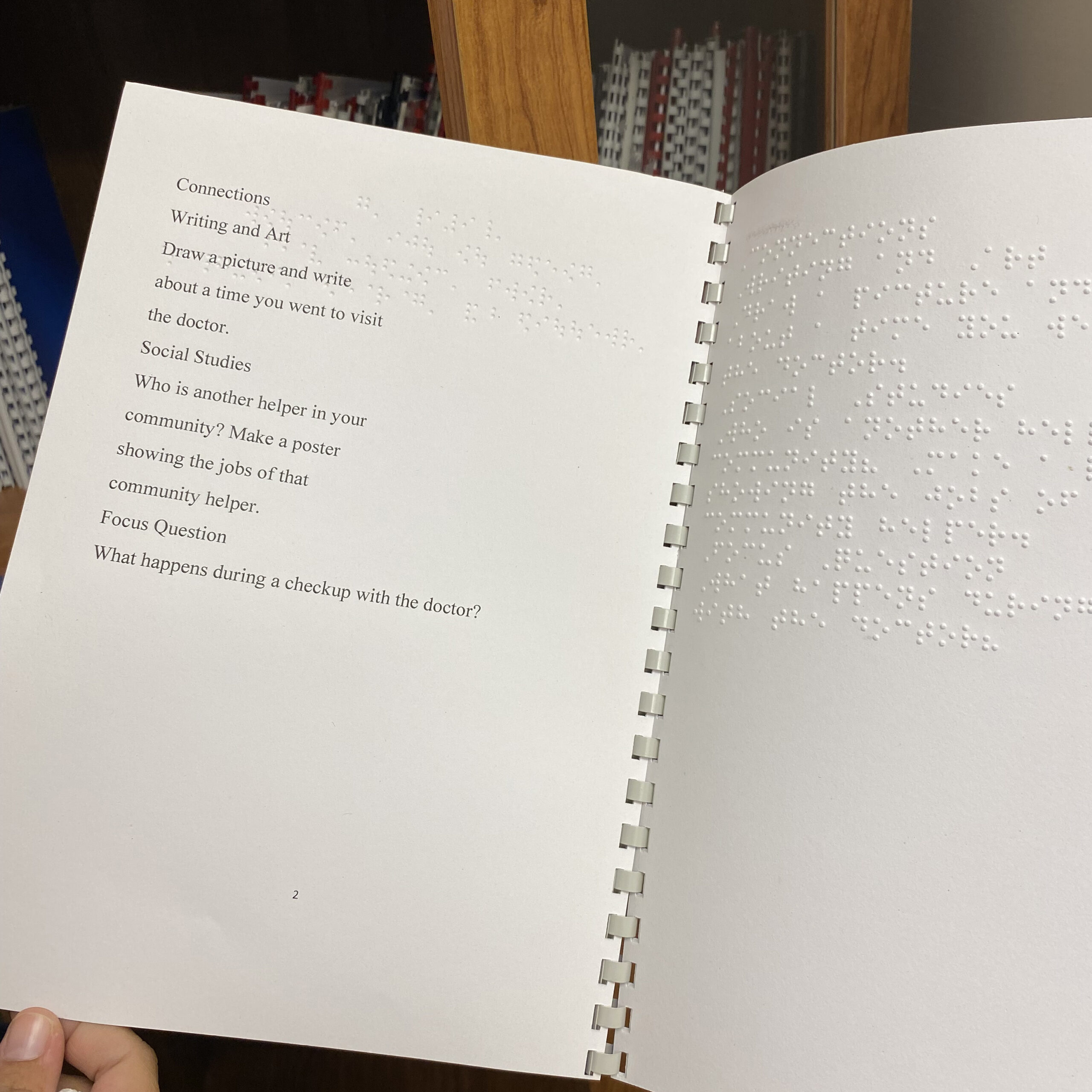
Egypt is fascinating. I felt safe walking the streets in my neighborhood. Most of the time I was in the company of Baseera staff, observing classes in geometry, math, braille, and technology, a class for a student with CVI, and O&M and LVT assessments, a low vision evaluation in the clinic, and the braille production department which produces materials both on demand, and for teachers and parents to use. I also toured the ESLSCA campus (France-based university operating in Egypt since the 1990s) which is the on-site home for the O&M and LVT personnel preparation programs. I met the Dean who described the two entities as being in a “relationship—which is a higher level than a partnership.” Comparing the two mission statements, the shared commitment to social responsibility and “an accepting society” was clear.
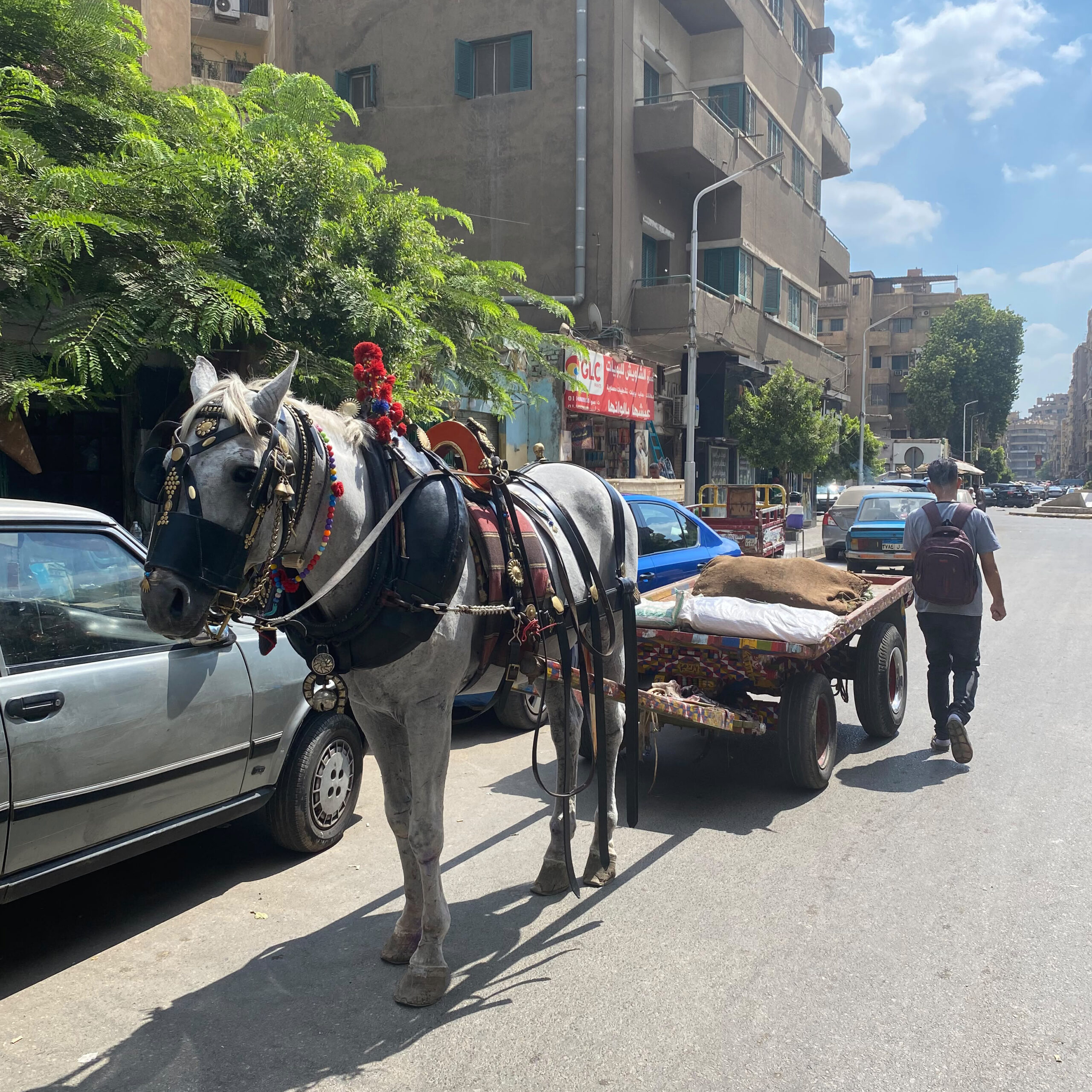
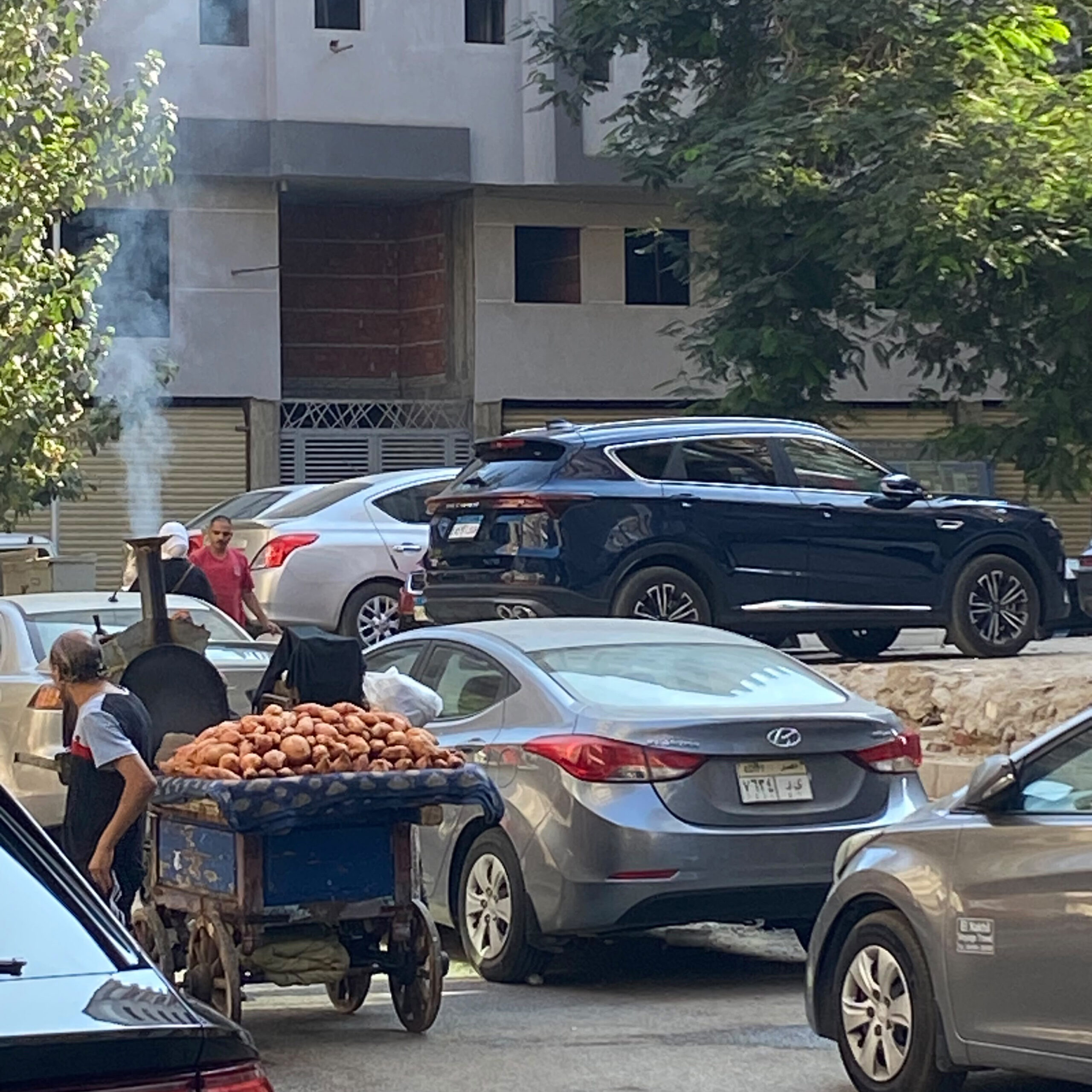
Baseera’s main challenges may sound familiar to professionals in the US. The exception would be the traffic! Pedestrians, bicycles, cars, horses, scooters all turn a three-lane road into 6 lanes. Facing a one-way street, they drive in reverse to their destination. Outside of the downtown area, nobody walks on the sidewalks which awkwardly rise and dip for every driveway. But like a school of fish, all the flow seems to work, and I never saw even a fender bender, although some cars do have dents.
Many of the students travel as much as 3 hours each way to one of the three Baseera locations. Some parents find jobs in Cairo and move their whole families so their blind child gets services from Baseera. In small, poorer towns, there are many “family marriages” i.e. marriages between 1st cousins; many children have inherited eye conditions leading to blindness. A larger problem is that many families do not value education since the parents themselves are not educated. Nonetheless, Dr. Mabrouk insists that parents know what is being taught to the child and become partners in reinforcing the skills.
Egypt does not have ADA or IDEA type legislation requiring disabled children be integrated in public schools. Therefore, Baseera creates intense training modules for parents, teachers of children, and adult children of older visually impaired persons. Also, Baseera provides its own teachers to participate in IEPs and often “win over” the regular teachers.
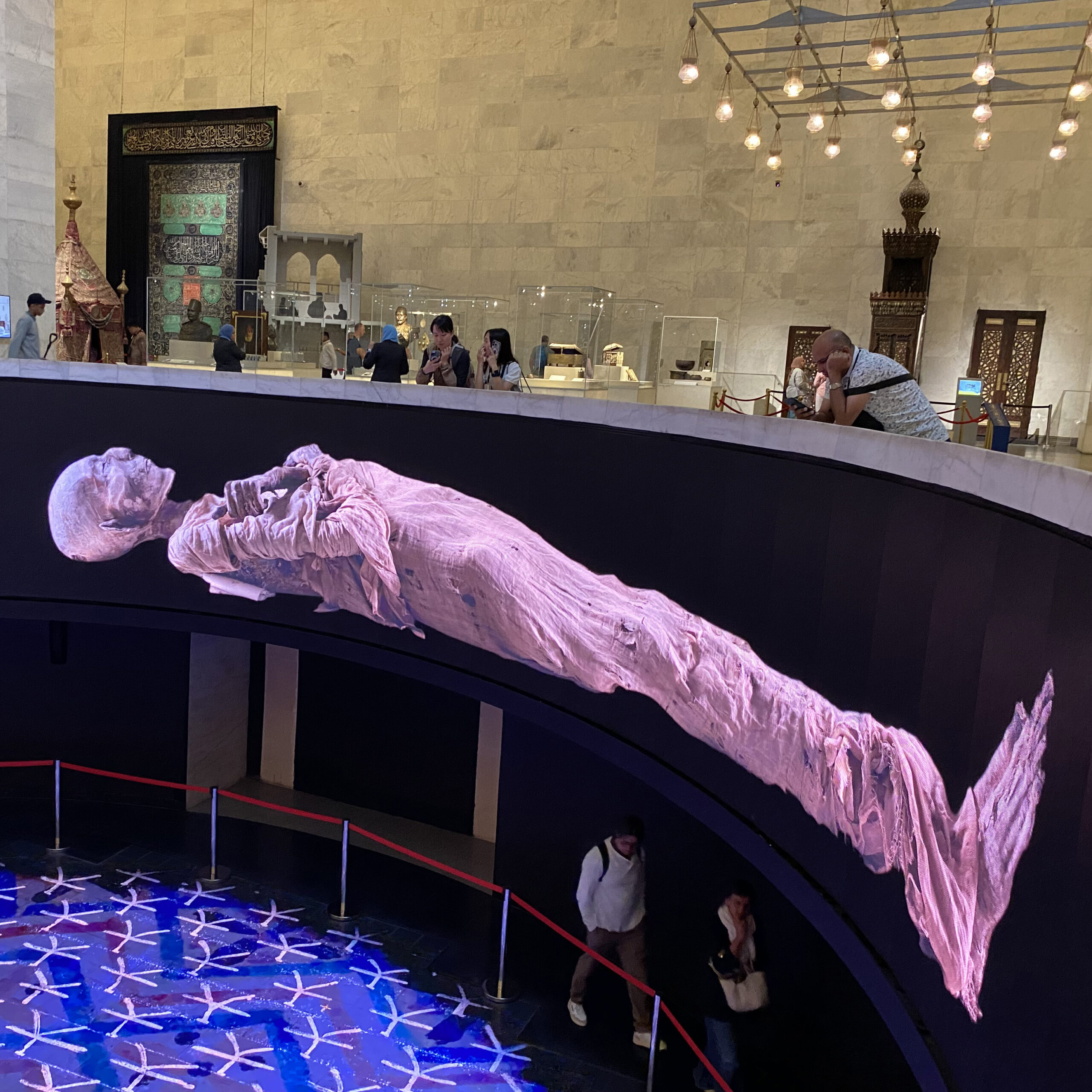
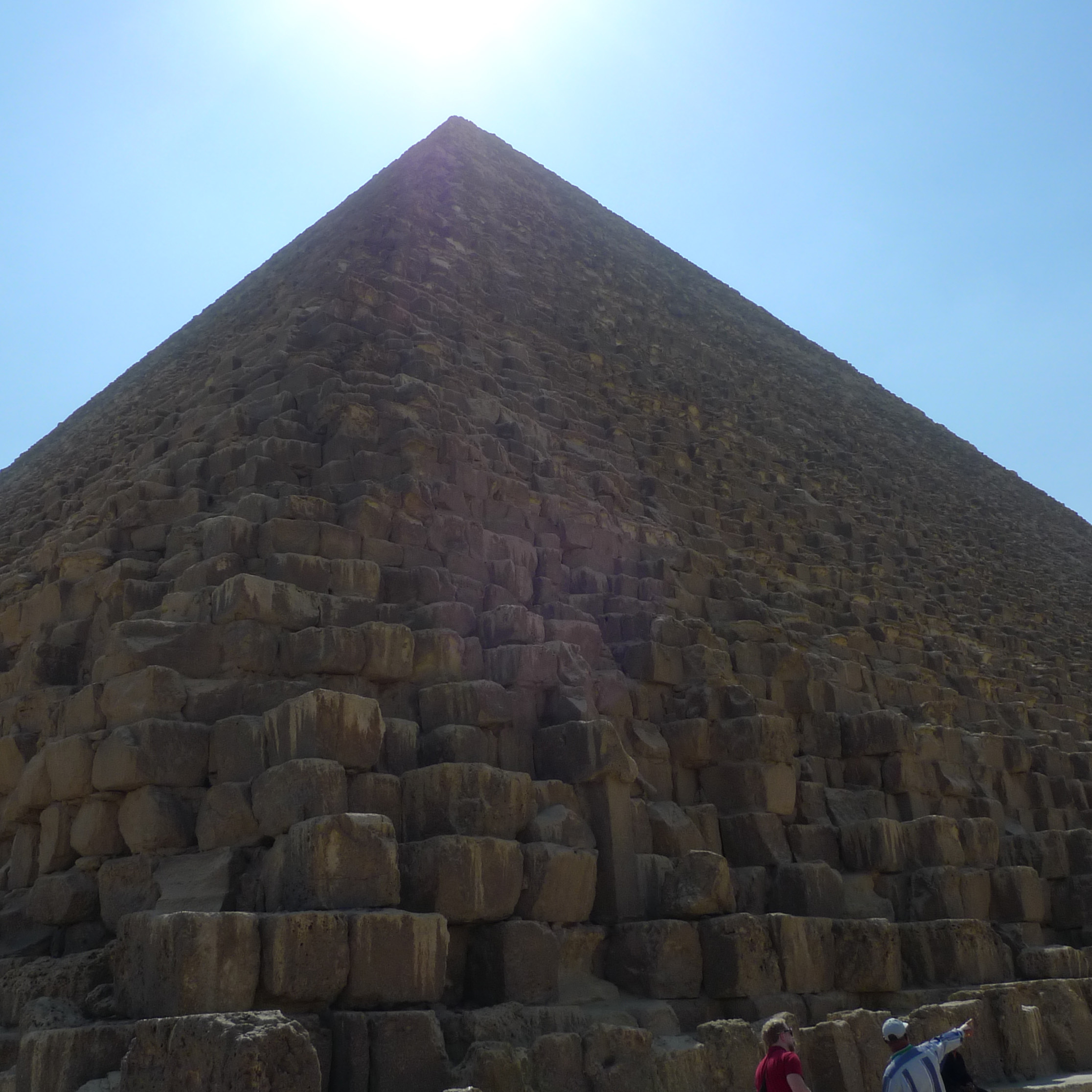
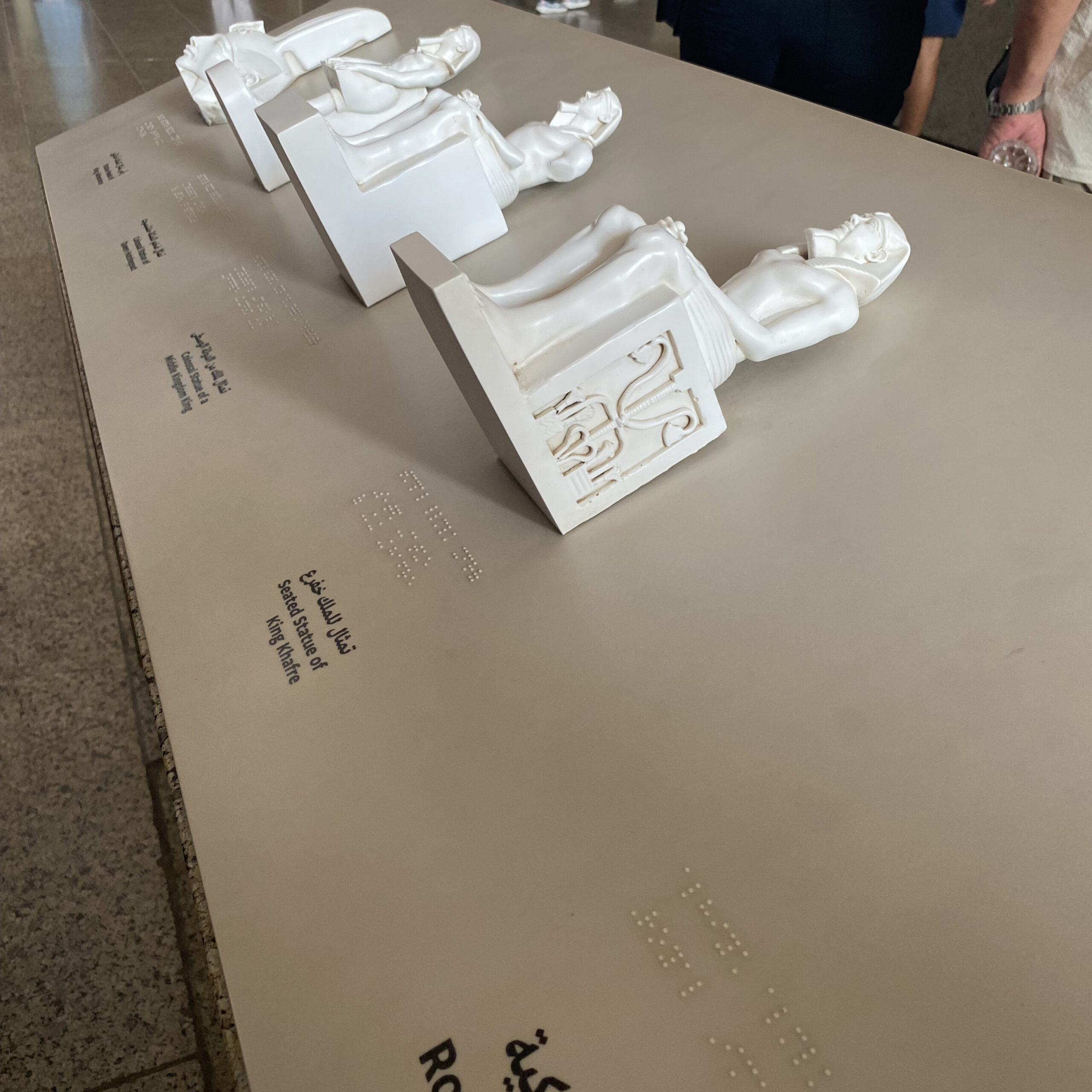
During the last two days of my stay, Rajiv, Sandra and I were treated to our own Egyptologist who gave us an extensive experience in the museums and Old Cairo neighborhood, and of course the pyramids. A few pictures are attached.\